
Why data teams must move beyond prompt-driven AI to spec-driven, lineage-validated deployments—and how dbt, contracts, and metadata make that possible.
Semantic Stack
A blog about building trusted, AI-ready analytics foundations through semantic modeling, governed metrics, and modern data best practices. Explore practical guides, frameworks, and reusable resources focused on improving metric consistency, data trust, semantic context, and the ability of analytics tools and AI agents to reliably understand and query business data.
Featured Blog Posts
SQL is not the bottleneck for most teams; understanding the data is. Why profiling and governed context must come before AI-generated models.
Semantic layers are becoming the controlled, foundational “business memory” powering reliable AI decisions.
Featured resources

A structured reference for dbt projects covering folder structure, model contracts, materialization choices, testing strategy, semantic models and metrics, dbt Mesh, SQL conventions, snapshots, and consistency for AI-assisted analytics engineering.
Open resource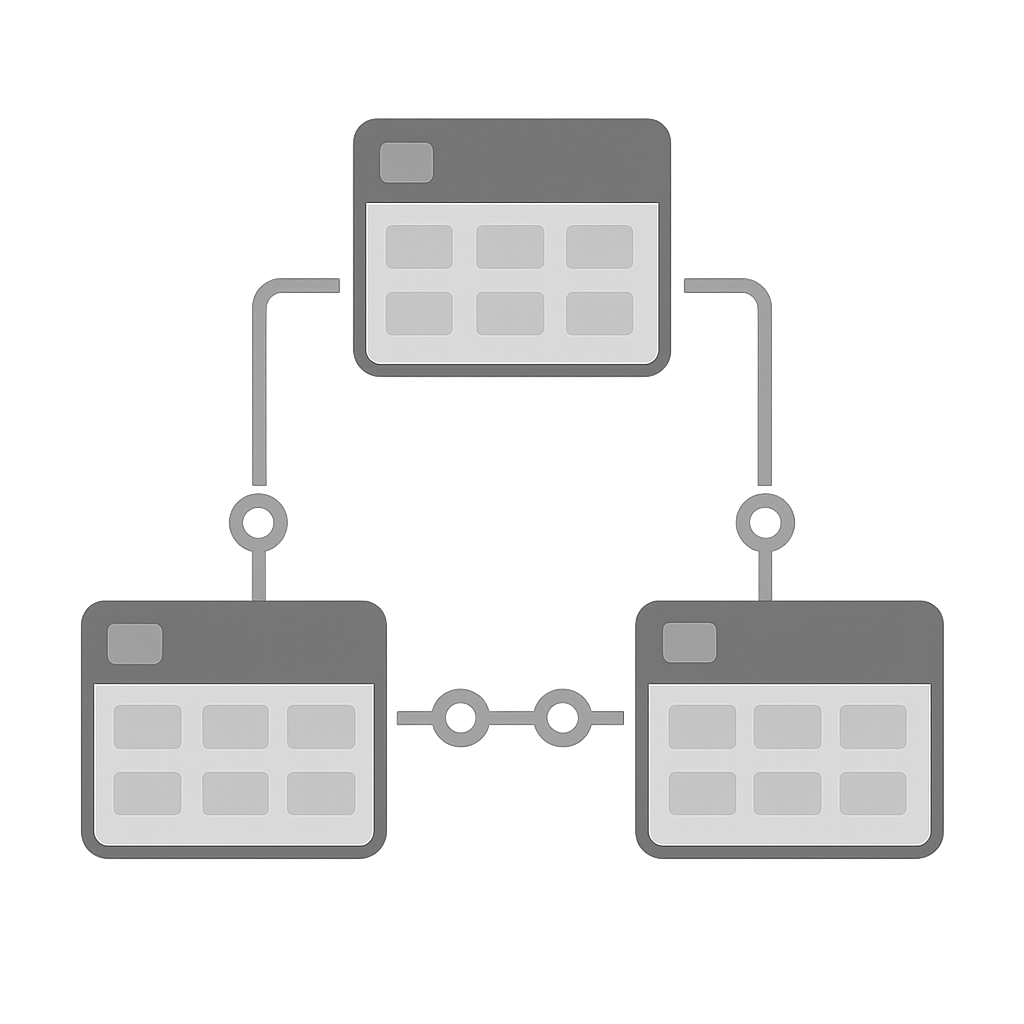
A structured reference on modeling from business processes, declaring grain, avoiding fact-to-fact joins, using semantic layers as the governed interface, and when graphs complement dimensional BI.
Open resource
A structured guide to effective data visualizationÔÇödefining the insight before the visual, guiding attention, choosing encodings, and presenting clearly for BI and analytics teams.
Open resourceTools
Semantic Explorer (Beta)

Private in-browser exploration powered by DuckDB WASM with automated profiling, join safety checks, and context exports for dbt and AI coding assistants. Beta release, work in progress.
- Zero upload architecture for sensitive datasets
- Profiling, join coverage, fanout, orphan, null, duplicate, and type signals
- Explore through UI, custom SQL, or AI-assisted query generation
- Export analysis artifacts, modeling notes, and dbt YAML context packages
Semantic Explorer Pro (Planned)
DuckDB WASM edition with project save and reopen, scaled file handling through loading and partitioning optimizations, and data from URLs and cloud buckets (S3-compatible, Azure Blob, and similar).
- Save and open projects: store configurations and resume analysis after the browser closes.
- Larger and multi-file workflows: optimized ingestion and partitioning-oriented strategies in the browser.
- Remote sources: HTTPS URLs and object storage such as S3-compatible buckets and Azure Blob.
[Ad Space — Insert ad script here]